Wednesday, April 27, 2011

Inside a Google Data Center

This video gives a rare look inside one of Google's data centers, you know the place where Google stores all your personal data. This video put out by Google wants to reassure you that all your deets are safe, secure and under control.

In their data centers, Google has traditional security methods like physical road barriers, perimeter fencing and security cameras and more advanced measures like iris scanners and file fragmentation and replication.

But by far my most favoritest part of the video ever was how they dispose of dead hard drives. They drive a piston straight through the disk and then send them through a crusher to blow them into smithereens for recycling. Check for it at the 3:45 mark.

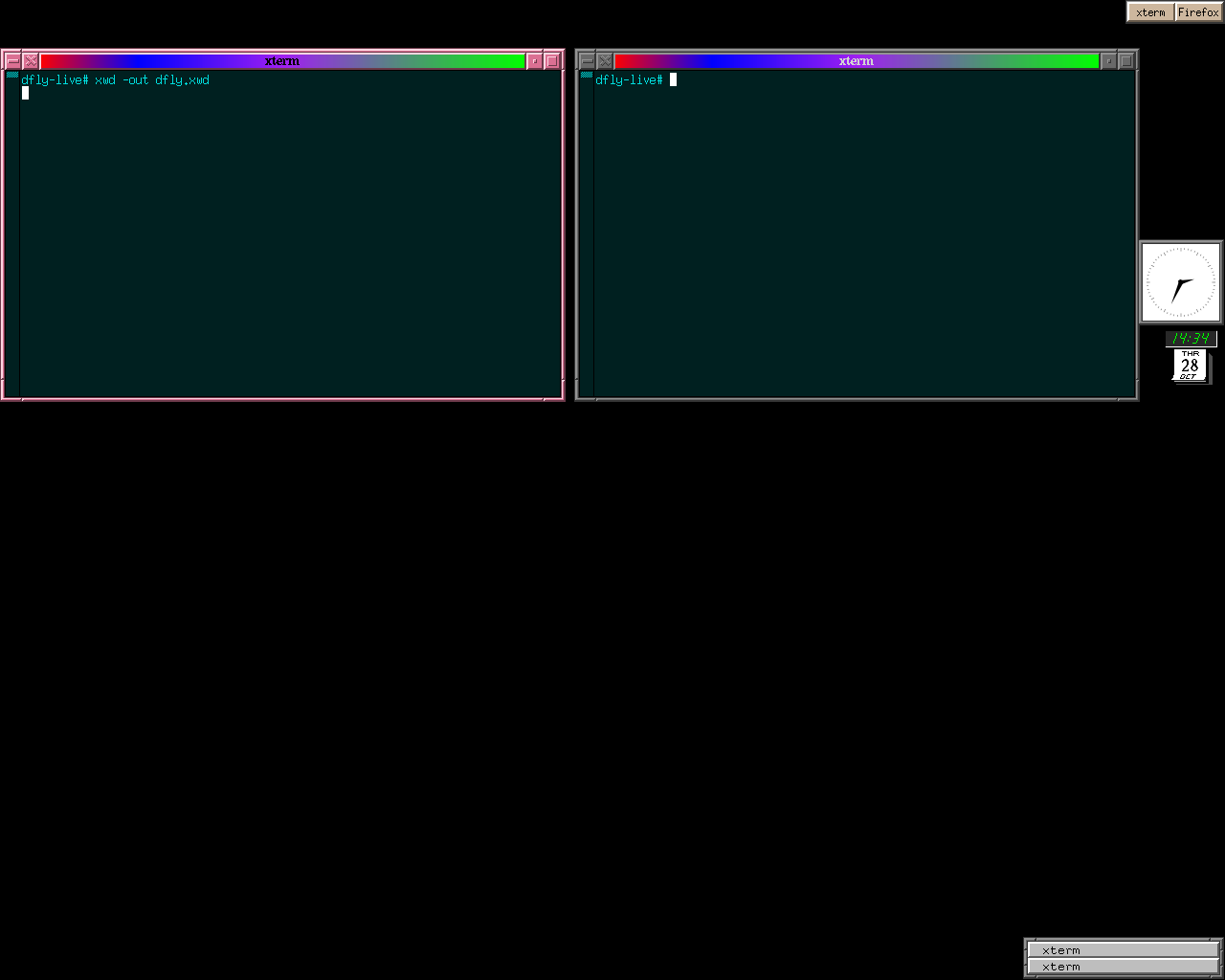
DragonFly BSD 2.10.1


Matthew Dillon has announced the release of DragonFly BSD 2.10.1, a BSD operating system originally forked from FreeBSD 4 series: "The DragonFly BSD 2.10.1 release is now available. This release sports significant compatibility and performance improvements and many new features. Big-ticket items: this release supports a much larger variety of hardware and multiprocessor systems than previous releases, thanks to updates of ACPI and APIC and ACPI interrupt routing support; Hammer volumes can now deduplicate volumes overnight in a batch process and during live operation; Packet Filter (pf) was updated to a version based upon OpenBSD 4.4; DragonFly now uses GCC 4.4 as the default system compiler, and is the first BSD to take that step; significant performance gains over previous releases...." Read the release notes for detailed information about the changes and features in this version. Download (MD5, mirror list): dfly-i386-2.10.1_REL.iso.bz2 (185MB), dfly-x86_64-2.10.1_REL.iso.bz2 (190MB).

Download Mirrors http://www.dragonflybsd.org/download/

Mageia 1 Beta 2


Anne Nicolas has announced the availability of the second beta release of Mageia 1, a new distribution created by former developers and contributors to Mandriva Linux: "The second beta release of Mageia 1 is now available for downloads and testing. What's new? Lots of bug fixes and software updates. Linux kernel 2.6.38.4, LibreOffice 3.3.2.2, KDE 4.6.2, Firefox 4.0, Chromium browser 12.0.742.0 and many others. We froze the software package versions last week. This means that no new, big, upstream code changes will be accepted in Mageia until our final release in June; then we will re-open the doors. We will now focus on fixing and reducing our bug lists and refining and polishing the user experience. We are setting up our security team so it's ready for the final release." Read the release announcement and release notes for further details. Download (mirror list): mageia-dvd-1-Beta2-i586.iso (4,162MB, MD5, torrent), mageia-dvd-1-Beta2-x86_64.iso (4,112MB, MD5, torrent).

Download Mirrors http://mageia.org/en/downloads/
http://mirrors.mageia.org/

Tuesday, April 26, 2011

Bayanihan Linux 5.4


Tracy Melissa Decena has announced the release of Bayanihan Linux 5.4, a new revision of the desktop-oriented distribution based on Debian's old stable branch, featuring the legacy KDE 3.5 desktop: "Bayanihan Linux 5 Revision 4 is now available for download. The newest 'Kalumbata' revision now features LibreOffice by The Document Foundation, an open-source office productivity suite derived from OpenOffice.org. However, OpenOffice.org 3.3, the latest version, is still bundled in the installer. Also packed in the new ISO image is the latest release of Bayanihan Linux's default web browser, Mozilla Firefox 4. Tons of security updates are also added. For old Bayanihan Linux users, software updates can be downloaded via Synaptic." See the release announcement which include upgrade instructions for existing users. Download the installation CD image from here: Bayanihan5Desktop-Installer-i386-686-Rev4.iso (700MB).

Download Mirrors http://apt.bayanihan.gov.ph/

Friday, April 22, 2011

Genovation G2 revs electric or hybrid


We first reported on start-up automaker Genovation earlier this year when they announced the development of a green car called the G2.


As we noted, the company not only wanted to make an electric vehicle, but it wanted the materials to come from renewable sources as well.

Well, Genovation has recently unveiled two versions of the G2, an electric and a plug-in hybrid model. 


The car, which seems to take from the look of an Audi TT body, weighs around 3,500 pounds and is stated to be able to go from 0 to 60 miles per hour in 7.5 seconds.

The electric version of the car is equipped with a 38 kWh battery-pack that the company claims has a range of 100 miles under the "worst case" conditions.

The plug-in hybrid model will have a 22 kWh battery pack with a 3 cylinder gasoline engine, designed by Lotus, that drives the electric motor instead of the wheels.


Dana Thermals is designing a single system that will encompass motor cooling, battery temperature, and interior climate, however, no further details of the thermal management system have been released. 


Genovation has also stated that the G2 will be supported by a team of trained mechanics that will be connected to future costumers through an interactive website.

Hackett racks up more than $36 million in fraudulent charges


26-year-old Rogelio Hackett Jr. has pleaded guilty to trafficking in counterfeit credit cards and aggravated identity theft.

According to the U.S. Department of Justice (DOJ), more than 675,000 stolen credit card numbers were seized when agents executed a search warrant of Hackett’s residence in 2009.

The cybercriminal began trafficking in counterfeit credit card numbers in 2002, which he obtained either by hacking into business computer networks and downloading credit card databases, or purchasing the information from various online "carding forums."

Hackett also admitted to selling credit card information, manufacturing and selling counterfeit plastic cards and then using the information to acquire gift cards as well as merchandise.

Unsurprisingly, credit card companies have identified tens of thousands of fraudulent transactions using the card numbers found in Hackett’s possession, which weighed in at a grand total of more than $36 million.

Hackett faces maximum penalties of 10 years in prison and a $250,000 fine, or twice the gross gain or loss, on the access device fraud charge, and an additional mandatory two years in prison, along with a $250,000 fine on the identity theft charge.

Sentencing is scheduled for July 22, 2011.